Prize Distribution Workflows: Tracing the Path from Virtual Wins to Bank Transfers in International Casino Networks
Written by Yara Hughes · Nov 25, 2026
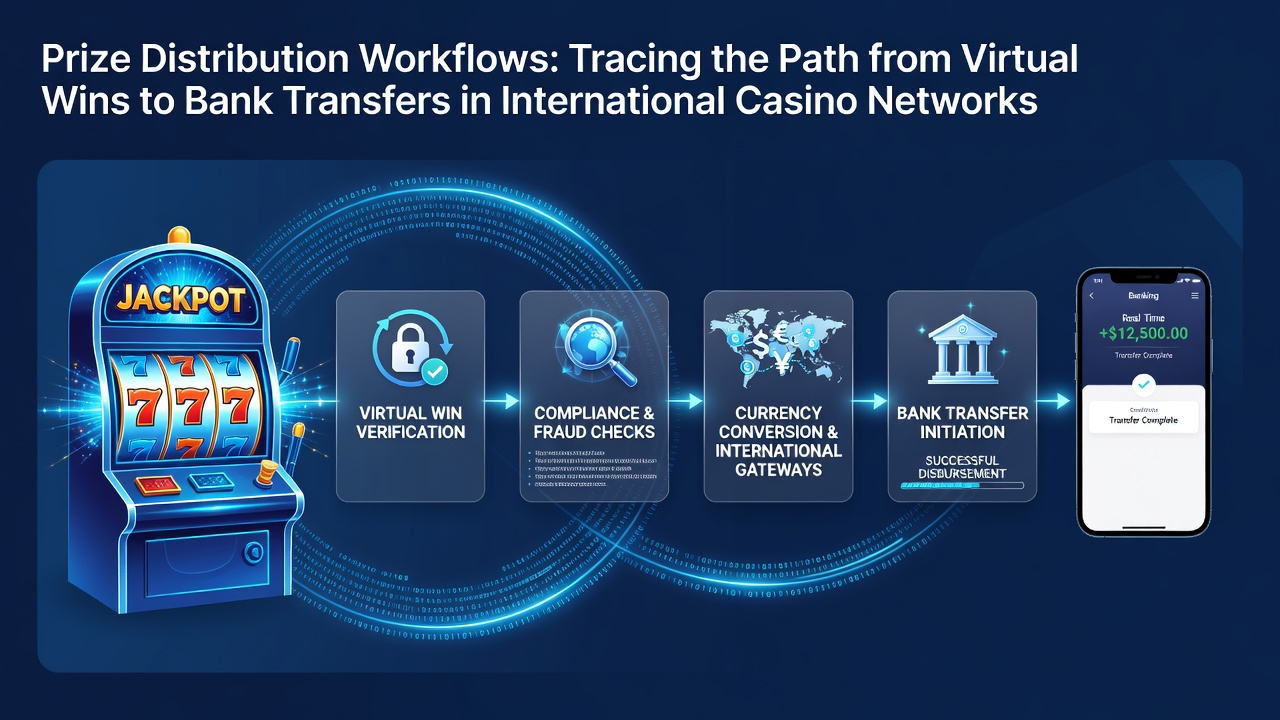
Prize Distribution Workflows: Tracing the Path from Virtual Wins to Bank Transfers in International Casino Networks
International casino networks handle prize distribution through structured workflows that move winnings from game servers to player bank accounts, and these processes incorporate multiple verification layers along with regulatory compliance steps. Data from various gaming authorities shows that operators process millions of transactions monthly, with automated systems flagging larger payouts for manual review before funds reach their final destination.
Verification Steps After a Virtual Win
Systems detect a win in real time and immediately log the amount along with player account details, game identifier, and timestamp, while operators run initial checks to confirm the outcome matches recorded game results. Players often receive instant notifications for smaller amounts, yet larger wins trigger additional identity verification that includes document uploads and sometimes video calls with support teams. Those who've studied transaction patterns note that networks integrate third-party services to cross-reference player data against watchlists and confirm eligibility under local laws.
Regulatory Compliance Across Borders
International operators must navigate differing rules in each jurisdiction where they hold licenses, and this means applying jurisdiction-specific checks before releasing funds. In November 2026, several networks updated their systems to align with new reporting thresholds introduced by regulators in multiple regions. Observers note that compliance teams review transactions against requirements from bodies such as the New Jersey Division of Gaming Enforcement, which publishes monthly reports on payout volumes and audit outcomes. New Jersey Division of Gaming Enforcement reports detail how operators submit detailed records for prizes above certain thresholds, and similar frameworks exist in other markets to prevent money laundering.
Networks coordinate with licensed payment processors that specialize in gaming payouts, and these partners add another layer of screening before initiating transfers. Experts have observed that multi-currency support requires real-time exchange rate calculations and fee disclosures to players at the point of withdrawal request.
Payment Processing and Transfer Mechanisms
Once approvals clear, the workflow shifts to payment rails that connect casino wallets to external banking systems, and operators typically batch smaller transactions while handling high-value ones individually. Bank transfers remain common for larger sums because they offer traceable records that satisfy audit requirements, whereas e-wallets handle quicker movements for players who prefer digital options. Research indicates that processing times vary by destination country, with some networks achieving same-day credits in supported regions while others take several business days due to intermediary bank reviews.
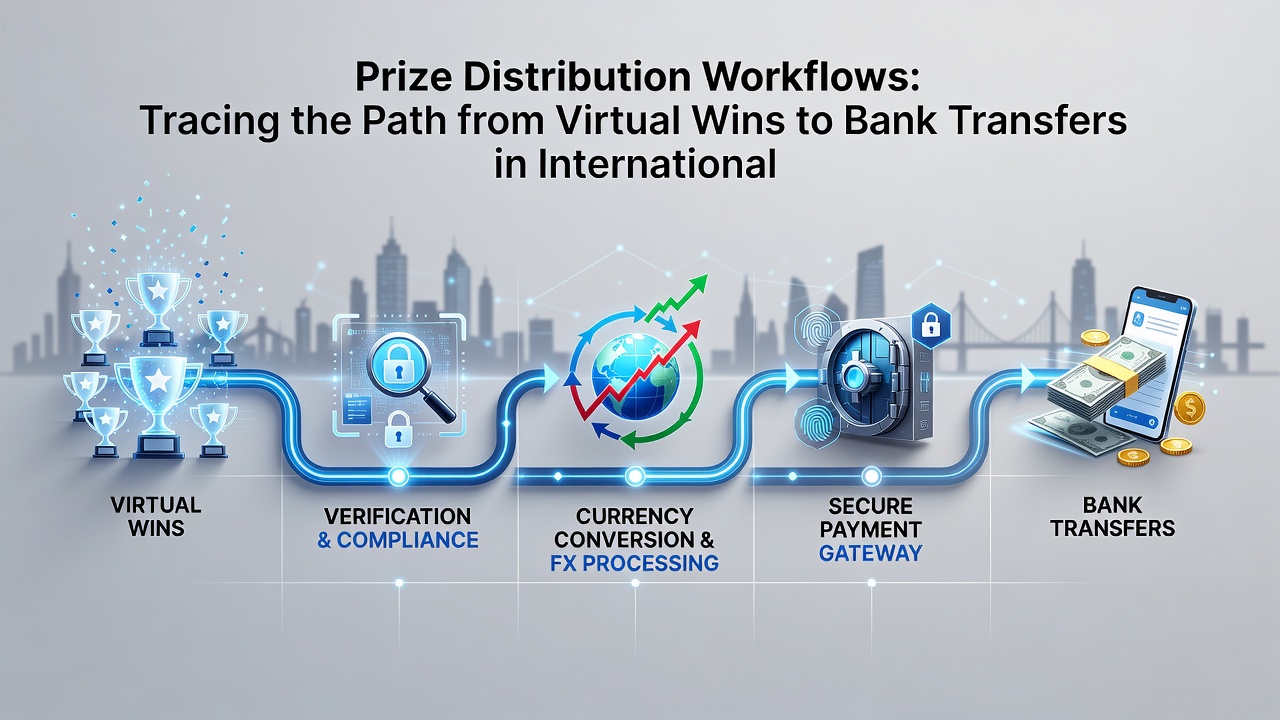
Take one operator that expanded into new markets in 2025 and documented how integration with regional banking partners reduced average transfer times by coordinating directly with local clearing houses. Those networks also maintain reserve funds in multiple currencies to minimize delays caused by foreign exchange conversions, and automated alerts notify both the operator and player when a transfer enters the final settlement stage.
Security Measures and Error Handling
Encryption protocols protect data throughout the workflow, and operators run periodic penetration tests to identify vulnerabilities in payout systems. When discrepancies arise, such as mismatched account details or failed verifications, the process pauses and routes the case to specialized teams for resolution. Figures from industry reports reveal that most issues stem from player-side errors rather than system faults, yet networks still maintain detailed logs to support any regulatory inquiries that follow.
Conclusion
International casino networks rely on layered workflows that combine automated checks with human oversight to move prizes from virtual wins to bank accounts, and these systems continue to evolve as regulators introduce updated standards. Data from multiple sources shows consistent growth in transaction volumes alongside steady improvements in processing efficiency, while operators adapt their procedures to maintain compliance across diverse markets. The path from win to transfer remains a coordinated sequence that balances speed, security, and regulatory demands at every stage.